The Interplay of Cascading Mechanics and Sticky Features in Contemporary Mobile Slot Designs
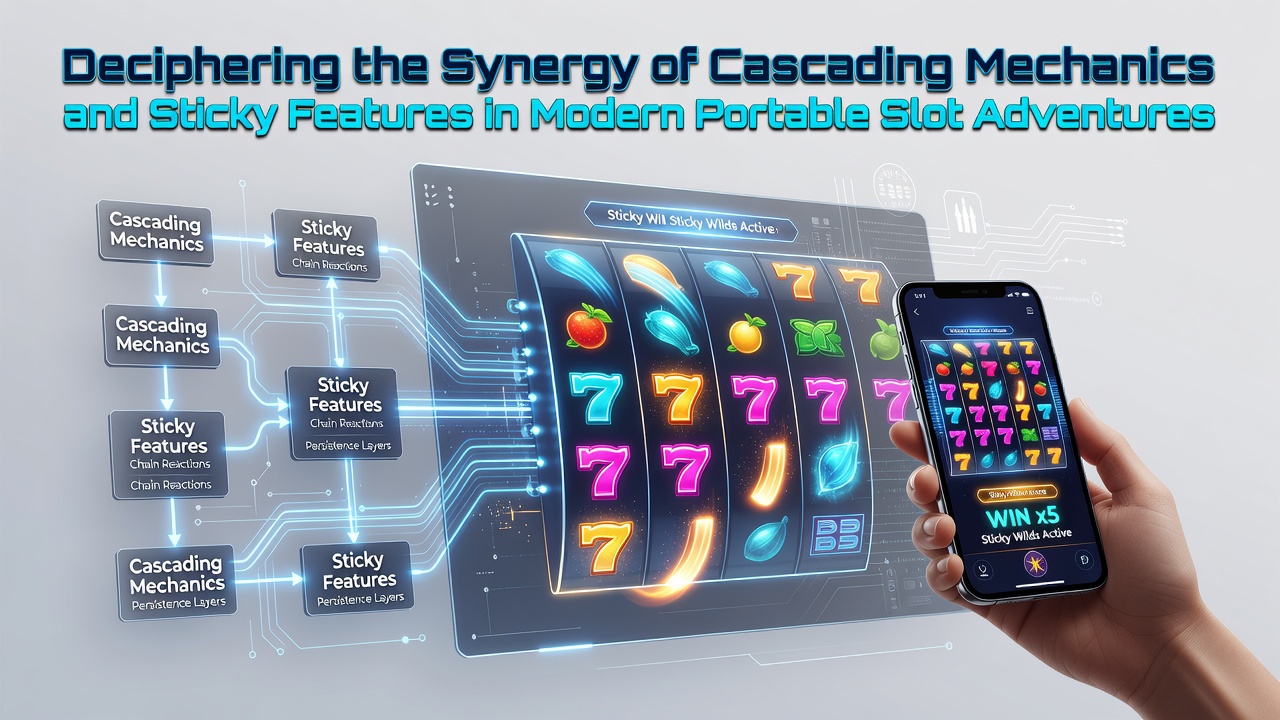
Modern portable slot games combine cascading mechanics with sticky features to create extended play sequences where symbols disappear after wins and new ones fall into place while certain elements remain fixed across multiple spins. Developers integrate these systems so that chain reactions from cascades can trigger additional sticky activations, which in turn position symbols for further combinations in subsequent drops. Research from the eCOGRA indicates that such integrations appear in over 35 percent of new mobile titles released between 2024 and 2026, with data showing average session lengths increasing when both features operate together.
Core Components of Cascading Systems
Cascading mechanics replace traditional reel stops with a process where winning symbols vanish, allowing remaining symbols to shift downward and fresh ones to enter from above, which generates opportunities for consecutive wins without additional bets. Providers program these sequences with specific drop rates and symbol weights so that each cascade maintains a consistent probability distribution across mobile screens. In June 2026, several developers demonstrated updated cascade engines at industry showcases that support variable grid sizes, ranging from 5x4 to 7x7 layouts, while preserving touch-responsive performance on handheld devices.
Sticky Features and Their Placement Logic
Sticky features lock selected symbols, most often wilds or high-value icons, in their positions for a set number of spins or until a bonus round concludes. The placement logic relies on predefined trigger conditions such as landing on particular reels or appearing during cascade chains, and software tracks these positions independently of the main reel cycle. Observers note that sticky implementations frequently apply multipliers to locked symbols, which accumulate value as cascades continue around them and create layered win calculations within a single spin sequence.
Combined Dynamics in Mobile Environments
When cascading and sticky elements function together, a single spin can produce multiple stages where initial cascades remove symbols, sticky wilds hold position, and new symbols fill gaps to form fresh winning clusters. This interaction extends the number of win evaluations per bet, because each cascade round checks for new combinations while respecting the fixed locations of sticky symbols. Data from the Nevada Gaming Control Board reveals that titles incorporating both mechanics report higher average bets per session compared with standard reel games, though exact figures vary by jurisdiction and operator configuration.
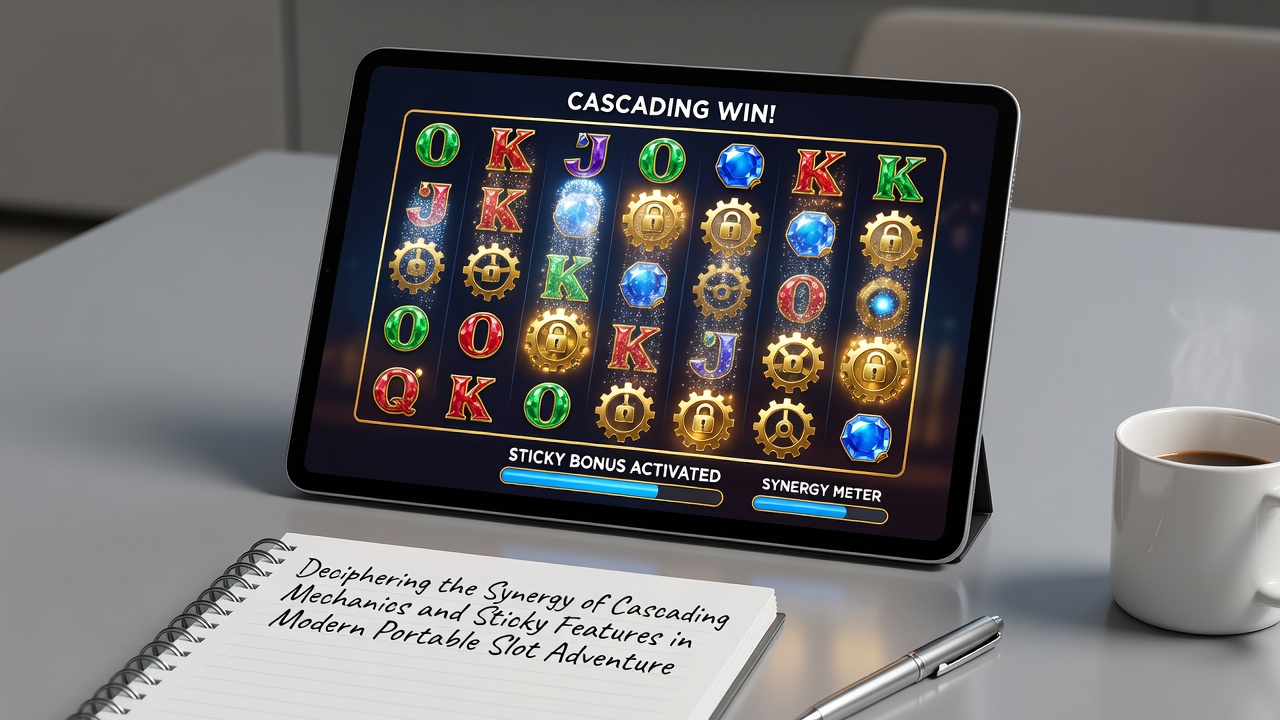
Touchscreen interfaces adapt these mechanics through gesture controls that allow players to initiate manual cascades in certain bonus modes, while the underlying random number generator continues to determine symbol outcomes. Providers optimize animation timing so that mobile processors handle the rapid symbol movements and lock states without frame drops, maintaining visual clarity on smaller displays. Studies published by Gambling Research Australia highlight that players encounter these combined features most often in progressive jackpot slots, where sticky multipliers can carry across cascade stages to affect the base game contribution toward the jackpot meter.
Technical Implementation Across Providers
Game studios employ distinct coding approaches to synchronize cascade timing with sticky persistence, including separate state machines that track locked positions independently of the falling symbol engine. Some implementations use grid-based physics simulations to calculate symbol trajectories during cascades, ensuring that sticky elements remain anchored while surrounding symbols resolve. In practice, this requires careful calibration of reel strips and drop frequencies to prevent overlap conflicts where a sticky symbol would otherwise be displaced by a cascade animation.
Cross-platform testing confirms that these features perform consistently across iOS and Android environments, with backend servers handling the core randomization and client devices managing only the display updates. Regulatory frameworks in multiple regions require documentation of how sticky locks interact with cascade probabilities to verify fairness, and independent testing labs review the combined return-to-player calculations before certification.
Player Engagement Patterns
Analytics platforms record that sessions featuring both mechanics show elevated spin counts per deposit, because the chained win opportunities encourage continued play within the same game round. Mobile-specific adaptations include simplified information panels that display current sticky positions and pending cascade counts, reducing screen clutter while preserving necessary details. Figures from the Canadian Gaming Association indicate that games with integrated cascading and sticky systems attract a broad demographic range, particularly among users who prefer shorter individual sessions but higher interaction density per minute.
Conclusion
The combination of cascading mechanics and sticky features continues to shape mobile slot development through coordinated symbol behavior and extended evaluation sequences. Providers refine these systems to balance visual feedback with computational efficiency on portable hardware, while regulatory oversight ensures transparent probability handling. As new titles appear in 2026 and beyond, the documented interactions between these elements provide a foundation for further mechanical variations across global markets.