Technical Frameworks Powering Cross-Platform Jackpot Networks in Digital Gaming
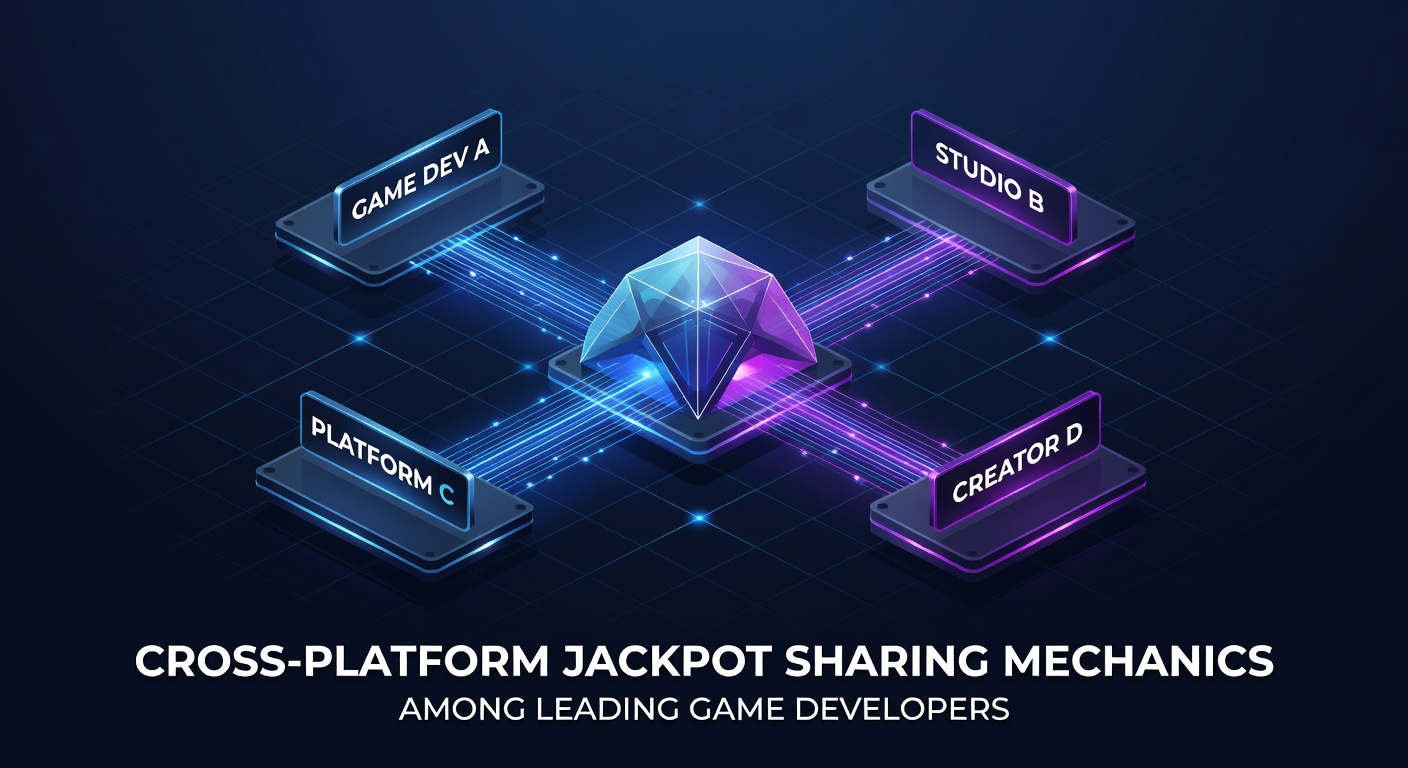
Leading game developers coordinate jackpot contributions through centralized servers that track bets from dozens of titles simultaneously, and these systems aggregate funds in real time while maintaining separate ledgers for each participating operator. Data from industry monitoring shows that such pooling arrangements often span titles released by NetEnt, Microgaming and Playtech, allowing a single progressive meter to rise regardless of which studio created the underlying game.
Mechanics begin at the game server layer where each spin or bet triggers a small percentage transfer to a shared pool managed by an independent jackpot controller, and this controller validates contributions against predefined rules set during initial integration. Developers embed application programming interfaces that communicate with the controller every few milliseconds to prevent discrepancies, while encryption protocols protect transaction integrity across different hosting environments.
Architecture of Pooled Progressive Systems
Cross-platform sharing relies on modular jackpot engines that accept inputs from varied game engines without requiring full code rewrites, and these engines use standardized data packets containing bet amount, game identifier and timestamp. When multiple developers contribute to one meter, reconciliation routines run nightly to allocate portions back to each studio based on contribution volume, ensuring accurate revenue splits reported in quarterly filings.
Security layers incorporate multi-factor authentication and real-time anomaly detection that flags irregular bet patterns before they affect the pool balance, and regulators in several jurisdictions require independent audits of these detection systems every six months. Observers note that the same architecture supports both fixed and progressive elements, allowing hybrid models where base jackpots remain local while higher tiers draw from the shared reservoir.
Integration Practices Among Major Studios
Studios establish technical partnerships through formal agreements that define data exchange formats, contribution rates and dispute resolution procedures, and these contracts reference compliance frameworks maintained by bodies such as the Malta Gaming Authority. In May 2026 several leading developers completed migration of existing jackpot pools to a unified cloud infrastructure that reduced latency by nearly forty percent during peak traffic hours.
Testing phases involve simulated player volumes exceeding ten thousand concurrent sessions to verify that jackpot increments remain synchronized across desktop, mobile and tablet clients, and any deviation triggers automatic rollback to the last verified state. Researchers at technical conferences have presented case studies showing how these rollback mechanisms preserve player trust when network interruptions occur.

Regulatory and Operational Oversight
Authorities in Nevada and the Australian state of New South Wales mandate that shared jackpot systems publish daily meter values and historical payout records on publicly accessible portals, and operators must retain these records for a minimum of five years. Compliance teams review contribution percentages quarterly to confirm they align with approved game specifications submitted during certification.
Third-party laboratories conduct penetration tests on the communication channels that carry jackpot data between studios and operators, while penetration results feed into annual renewal applications for gaming licenses. Figures released by the European Gaming and Betting Association indicate that cross-platform jackpots now account for roughly eighteen percent of total progressive prize distributions tracked across member companies.
Future Technical Directions
Developers continue to explore blockchain-based ledgers for recording jackpot contributions because distributed verification reduces single-point failure risks, and early pilots completed in 2025 demonstrated consistent synchronization across three separate continents. Additional work focuses on machine-learning models that predict pool growth trajectories and adjust contribution rates dynamically without breaching regulatory caps.
Hardware acceleration through specialized processors now handles the cryptographic operations required for real-time pooling, shortening the interval between bet placement and meter update to under fifty milliseconds in most deployments. Industry reports compiled by the International Association of Gaming Advisors document steady adoption of these processors among studios seeking to expand their shared jackpot offerings.
Conclusion
Cross-platform jackpot sharing depends on tightly integrated server architectures, standardized data protocols and continuous regulatory oversight that together maintain synchronized prize pools across competing developers. Ongoing refinements in cloud infrastructure and verification techniques continue to support larger-scale networks while preserving accuracy and security for every participating title.