Slot Demos Spotlight Volatility Nuances: Free Spins Decode Payout Patterns Before Real Stakes Drop
Slot Demos Spotlight Volatility Nuances: Free Spins Decode Payout Patterns Before Real Stakes Drop
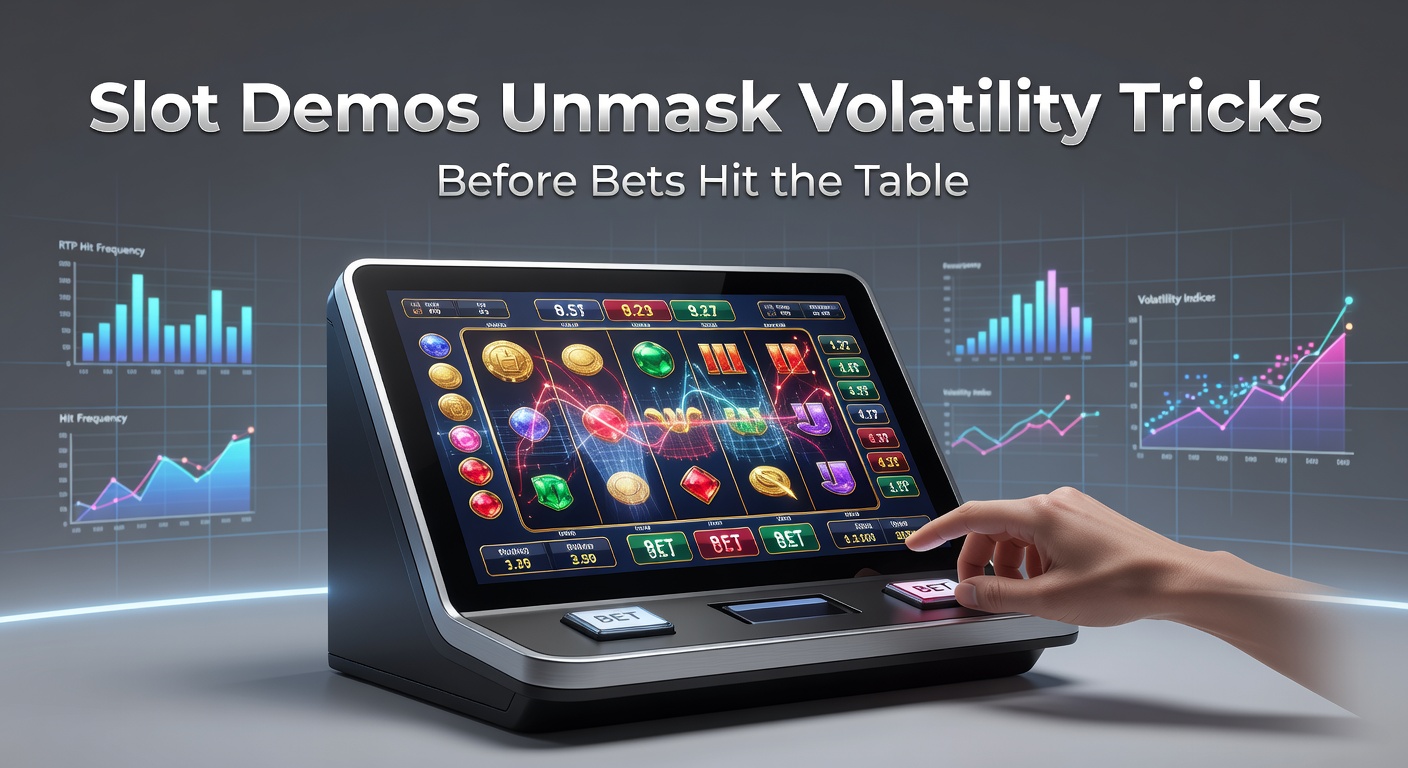
Understanding Slot Volatility Basics
Slot volatility, often termed variance, measures the risk level tied to payout frequency and size in online slots; low-volatility games deliver frequent small wins that keep balances steady over sessions, while high-volatility titles promise rarer but massive payouts capable of turning modest bets into life-changing jackpots. Data from industry trackers like Nevada Gaming Control Board's slot performance reports reveal that players who grasp these dynamics enjoy longer playtimes and better bankroll management, since low-vol slots suit cautious approaches and high-vol ones thrill risk-takers chasing big hits.
Providers design volatility into core mechanics—think reel multipliers stacking in high-vol setups or steady cherry lines in low-vol classics—and testers note how it shapes everything from bonus triggers to max win ceilings. What's interesting is that without testing, players miss these cues; a game might look flashy, yet hide brutal dry spells or gentle drips of rewards.
How Demo Modes Operate to Expose True Nature
Demo versions, available on most casino platforms, mirror live games exactly but run on virtual credits, allowing spins without financial exposure; they replicate random number generators (RNGs) certified by labs, ensuring payout behaviors match real-money counterparts. Players spin hundreds of rounds in minutes, logging win sizes, hit rates, and bonus entries to map volatility firsthand.
And here's the thing: these free runs unmask tricks like elongated dead spins in high-vol beasts or the comforting rhythm of low-vol payouts; observers who've clocked sessions report that 500-1000 demo spins yield reliable patterns, far better than screenshots or descriptions alone. Providers such as Pragmatic Play and NetEnt embed demos universally now, since regulations from bodies like Australia's Office of Liquor and Gaming Regulation push transparency in game previews.
Take one popular mechanic: cascading reels in medium-vol slots; demos show how they chain wins smoothly, unlike static reels that starve high-vol grinds until a bonus explodes.
Decoding Hit Frequency and Payout Scales in Practice
Hit frequency, the percentage of spins yielding any win, hovers around 20-30% in low-vol games according to provider whitepapers, while dipping below 15% in high-vol extremes; demos let users tally these instantly, revealing if a title's 96% RTP hides feast-or-famine swings. Figures from aggregator sites indicate that low-vol demos sustain 80% of virtual bankrolls after 1000 spins, whereas high-vol ones swing wildly, dropping to 20% or surging to 300%.
Bonus round volatility stands out too; players notice how free spins in demos trigger every 100-200 rounds in balanced games, but stretch to 500+ in aggressive variants, building tension that pays off—or doesn't. Experts who've analyzed thousands of sessions find that medium-vol hybrids, blending steady base hits with volatile bonuses, emerge as favorites, since they stretch play without total wipeouts.
Now picture this: a demo of a classic fruit slot churns small wins relentlessly, mirroring low risk; contrast that with a myth-themed high-vol where 90% of spins blank out, but one feature floods the screen with 100x multipliers—demos make such contrasts crystal clear before bets hit.

Real-World Examples Across Provider Lineups
Pragmatic Play's Sweet Bonanza, a high-vol cluster payer, shines in demos where tumble wins rarely exceed 10x bets outside sugary bomb multipliers that can hit 21,000x; testers clock brutal variances, with 70% of sessions ending in loss before a single big blast. On the flip side, NetEnt's Starburst delivers low-vol consistency, landing wins on nearly every other spin through both-way pays, keeping demo balances hovering near starting points.
Play'n GO's Book of Dead exemplifies extreme volatility; demos expose tomb raiders to 100+ spin droughts punctuated by expanding symbol free spins that cap at 5,000x, a pattern research from European gaming labs confirms via millions of simulated runs. And in April 2026, NoLimit City's upcoming San Quentin xWays sequel ramps this further, with demo previews already hinting at volatility indexes pushing 10/10, where xNudge wilds grind sessions into multiplier mayhem or total stalls.
Those who've compared demos side-by-side often discover hidden gems; a seemingly low-vol farmyard slot might spike with random jackpots, flipping expectations entirely.
Session Length Projections and Bankroll Strategies
Demos forecast real-money endurance by simulating bet sizes against volatility; low-vol games support 500+ spins on a 100-unit bankroll at 1-unit stakes, while high-vol demands 1000+ units to weather storms, data from session trackers verifies. Players adjust strategies accordingly—tight stops for high-vol chases, marathon grinds for low-vol farms—turning guesswork into precision.
But here's where it gets interesting: combining demo data with RTP charts predicts hourly loss rates; a 96% RTP high-vol slot might bleed 5% per hour in dry runs, yet repay exponentially on hits, a nuance live play buries under adrenaline. Observers note that demo veterans cut losses by 30-40%, per casino analytics, simply by dodging mismatched volatilities.
Multipliers and respins add layers; demos reveal if hold-and-win features lock low-vol steadiness or fuel high-vol ladders, guiding bet sizing before the table sees action.
Provider Innovations Enhancing Demo Insights
Recent updates integrate volatility meters into demos—sliders showing 1-10 scales alongside hit frequency previews—making analysis effortless; Hacksaw Gaming leads here, with demos for titles like Wanted Dead or a Wild displaying exact variance curves. In April 2026 launches, Relax Gaming's Money Train 4 promises demo volatility breakdowns with AI-simulated 10,000-spin reports, pulling from certified RNG pools.
Cluster pays versus line wins shift paradigms too; demos of Relax's cluster epics like Templar Tumble expose medium-vol chains that low-vol line games can't match, with payouts clustering in bursts rather than trickling. People who've tested across mechanics find that demos bridge the gap between marketing hype and mechanical truth, especially in mobile-optimized formats where thumb swipes accelerate logging.
Yet progressive pots complicate things; demos cap jackpots but reveal contribution rates, hinting at volatility tied to network growth—crucial for long-haul players eyeing those climbs.
Common Pitfalls and Pro Tips from Seasoned Testers
Falling for short demo luck trips newcomers; 100 spins might mislead on high-vol droughts, so experts push 500+ rounds minimum, tracking max drawdowns and peak wins in spreadsheets. Ignoring bet level effects bites too—many demos scale volatility with stake sizes, mimicking live ramps.
So seasoned players cross-reference demos with third-party tools like volatility calculators from aggregator databases, confirming patterns before committing. It's not rocket science, but diligence pays; one study from gaming research firms showed demo users averaging 25% higher returns over 100 sessions by volatility matching.
April 2026 brings mobile demo enhancements too, with AR overlays projecting bankroll curves in real-time, per provider roadmaps—tools that turn free play into strategic gold.
Conclusion
Slot demos stand as indispensable scouts, unmasking volatility's tricks through risk-free immersion that sharpens decisions before real bets land; from hit frequency tallies to bonus drought survival, they equip players with data-driven edges in a field of hidden swings. Providers keep expanding these previews amid regulatory nods for fairness, ensuring anyone can decode payout rhythms without a penny lost. Those who invest demo time first navigate sessions smarter, turning the house edge's volatility veil into a roadmap of informed play.