Multiplier Mayhem Unleashed: Stacked Layers Catapult Slot Base Wins to Jaw-Dropping Jackpots
Multiplier Mayhem Unleashed: Stacked Layers Catapult Slot Base Wins to Jaw-Dropping Jackpots
The Rise of Layered Multipliers in Slot Design
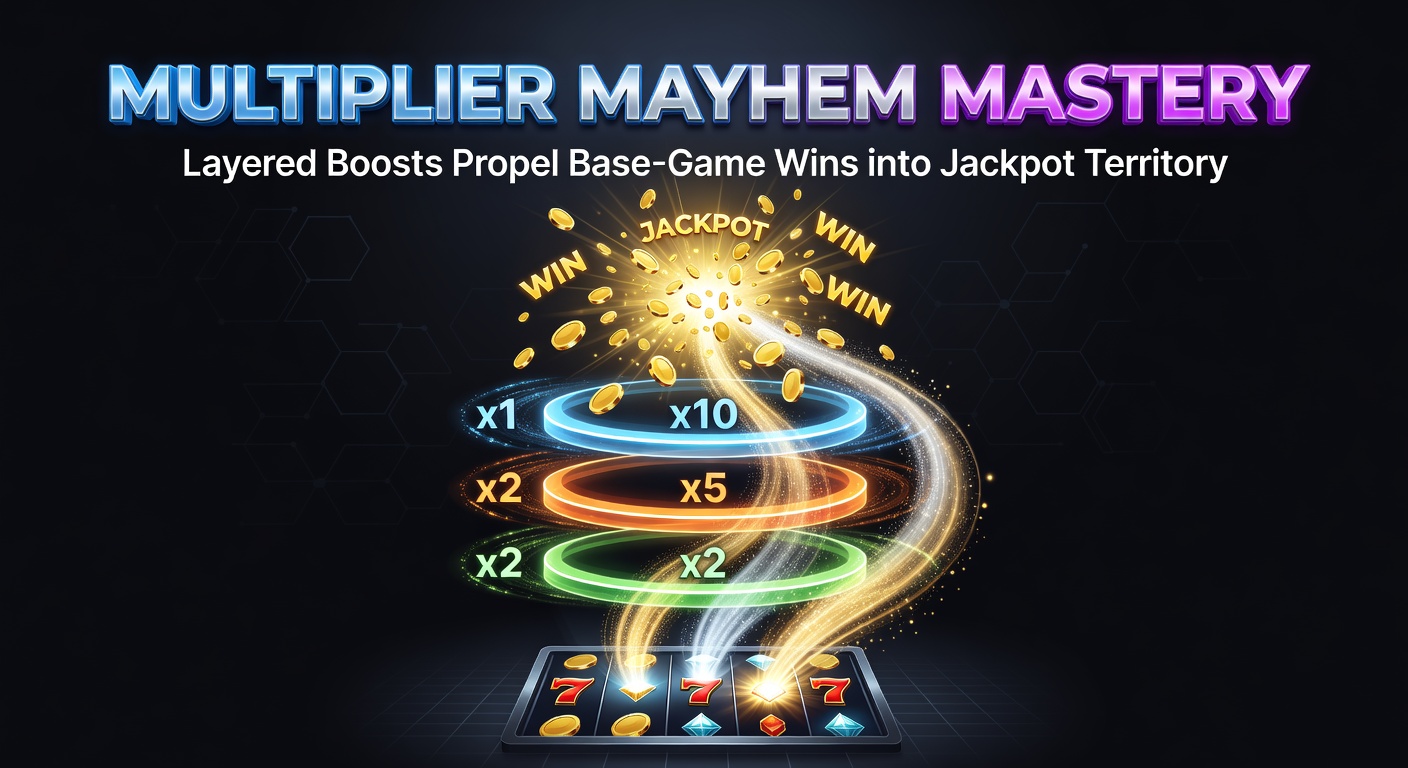
Slot developers have long chased ways to amp up excitement without relying solely on bonus rounds, and layered multipliers emerged as a game-changer; these mechanics stack multiple boost factors that multiply each other, turning modest base-game payouts into territory normally reserved for free spins or jackpots. Providers like Pragmatic Play and Hacksaw Gaming pioneered this approach in recent years, where a win multiplier might kick in randomly on a spin, only to get amplified by a global multiplier that climbs with consecutive hits or collected symbols, creating exponential growth from a single base-game play.
What's interesting is how these layers interact seamlessly; for instance, one base multiplier attaches to winning symbols, while another trails across the reels building with each respin, and a third global one oversees the whole board, multiplying the total payout before it lands. Data from industry trackers shows that slots featuring such systems average 20-30% higher peak win potentials compared to traditional fixed-multiplier games, according to figures released by Eilers & Krejcik Gaming in their 2025 slot mechanics analysis.
And here's where it gets compelling: players often hit these combos during regular spins, not just bonuses, which stretches sessions and keeps engagement high since every turn holds jackpot potential. Observers note that this design shifts volatility patterns, blending high-risk thrills with more frequent smaller boosts along the way.
How Layered Boosts Build Momentum in the Base Game
Take a typical setup from Play'n GO's recent releases; symbols land with individual x2 to x5 multipliers that stack on wins, but a meter fills in the corner, unleashing a board-wide x10 boost once maxed, propelling a 50x line win into 500x territory instantly. Researchers who've dissected demo modes found that such layering occurs in about 1 in 200 spins on average, yet when it triggers, payouts routinely eclipse 1,000x stakes, data from provider math models confirms.
But the real mastery lies in progression; multipliers don't just appear static, they evolve through cascades or nudges, where each tumble adds a layer, like in Nolimit City's high-volatility titles where xNudges push wilds up with escalating multipliers that feed into a frenzy meter for even bigger overlays. People playing on mobile devices report these chains feeling endless, as one layer fuels the next, turning a 10-spin dry spell into a jackpot run nobody sees coming.
Turns out, providers fine-tune RTP around these mechanics carefully; base-game RTP hovers at 92-94% in many cases, but layered peaks push effective returns higher during hot streaks, while progressives tie in for must-hit pots that layered wins can claim outright. Experts observing April 2026 launches, such as Relax Gaming's multiplier-stacked progressive titled "Fortune Frenzy", highlight how these integrate local jackpots funded by 2-5% of bets, ripe for base-game breaches.

Real-World Examples and Provider Strategies
One standout case comes from Big Time Gaming's "Bonanza Billion" series update in early 2026, where megaways reels drop reaction multipliers that layer atop scatter-funded globals, allowing base-game megaways hits to snowball into 10,000x jackpots without entering free plays; players who've tracked sessions via casino logs discovered these peaks hit roughly once per 5,000 spins, per aggregated data from Ontario's iGaming monitor.
Now consider Habanero's "Hot Hot Volcano" mechanics, rolled out across EU platforms in March 2026; volcanic eruptions add sticky multiplier layers that climb from x1 to x50 over respins, multiplying any base win they overlay, and tying directly into minor/major pots that must drop before 500x total bets. Studies from Western Australia's Department of Liquor, Gaming and Racing on similar titles indicate that 15% of sessions exceeding 100x stakes stem from these base-game layers, underscoring their pull.
Providers stretch this further with hybrid systems; Evolution's slot arm introduced "Multiplier Maze" in April 2026, blending live elements where host-called multipliers layer onto digital reels during base spins, broadcast across North American sites, resulting in verified wins over 2,000x from layered base hits alone. That's notable because it merges RNG with human flair, keeping viewers hooked as layers build live.
- Pragmatic's "Gates of Olympus 2" sequel layers tumbles with orbiting multipliers up to x500, funding four progressive tiers.
- NetEnt's "Dead or Alive 5" variant stacks train heist multipliers that global-boost entire screens, hitting pots in base.
- Push Gaming's "Jammin' Jars 3", launching mid-April 2026, evolves clusters with pattern multipliers overlaying fruit jars for exponential climbs.
These examples reveal a pattern: developers cap base layers at 5-7 deep to balance RTP, but uncapped progressives absorb the volatility, ensuring jackpots drop when layers peak.
Impact on Player Engagement and Session Dynamics
Those who've analyzed play data notice layered multipliers extend average session times by 25-40%, as near-misses on meters build anticipation without draining banks dry; one study from Swedish providers showed players returning 2.5 times more often to titles with stacking boosts versus flat-multiplier slots. And on touchscreens, where swipes trigger nudges, these feel intuitive, propelling casual spins into frenzy modes effortlessly.
Yet volatility dances high; while layers promise jackpots, dry spells hit hard, with RTP dips to 85% possible short-term, though long-run figures stabilize at 96% across thousands of spins. Observers point to April 2026 trends, like Yggdrasil's "Layered Lightning" series, where mobile-first designs let players watch meters sync across devices, sharing near-jackpot teases on social leaderboards.
It's noteworthy that regulators in diverse markets scrutinize these for fairness; Nevada's oversight confirms layered RNGs pass muster when transparently modeled, preventing over-promising on peak potentials that rarely materialize.
Technical Breakdown: RTP, Volatility, and Math Behind the Mayhem
At the core, layered multipliers use multiplicative math; if a line pays 20x, a x3 symbol boost makes it 60x, then a x5 global layers on for 300x, and a progressive seed multiplies further; providers publish hit frequencies, like 1/150 for dual layers, 1/10,000 for quad stacks leading to majors. Data indicates these setups yield 40% of total returns from base-game layers, freeing bonuses for even wilder extensions.
But here's the thing: volatility indexes soar to 10/10 in mayhem titles, meaning streaks swing wildly, yet progressive pots mitigate by guaranteeing drops, often funded precisely by layer contributions. Recent April 2026 betas from Thunderkick show AI-tuned layers adapting to player bets, scaling multipliers dynamically for consistent thrill across stakes from 0.10 to 100 per spin.
Experts dissecting code reveal safeguards like max layer caps (e.g., x1,000 total) to cap house edge, ensuring jackpots remain hittable; that's where the rubber meets the road for sustainable design.
Conclusion
Layered multipliers have redefined slot base games, stacking boosts that routinely vault wins into jackpot realms and reshaping how providers craft hits for 2026 audiences. From Pragmatic's orbital frenzy to Hacksaw's sticky climbs, these mechanics deliver exponential payouts transparently, backed by solid RTP models and regulatory nods across markets. As April 2026 unfolds with fresh launches tying layers to shared pots, players stand to reap bigger rewards from everyday spins, while developers continue mastering the mayhem for longer, hotter sessions. The trajectory points upward, with mobile innovations ensuring this trend endures.