Mobile Jackpot Revolution: Providers' RTP Mastery in Progressive Pots and Free-Spin Innovations
Mobile Jackpot Revolution: Providers' RTP Mastery in Progressive Pots and Free-Spin Innovations
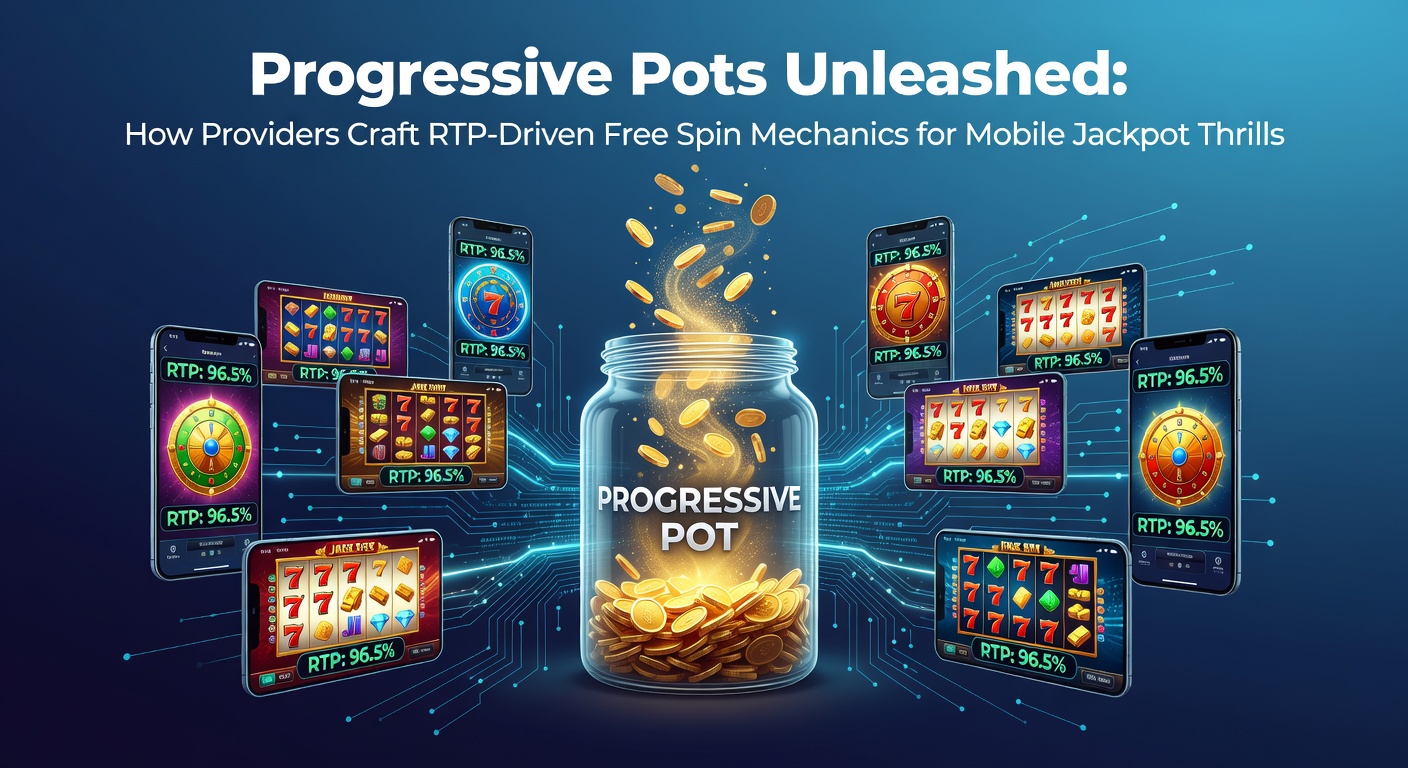
The Rise of Progressive Pots on Mobile Platforms
Providers have transformed progressive pots into mobile powerhouses, where jackpots grow across networks of players while free-spin mechanics layer on extra thrills; data from industry trackers reveals that these features now drive over 40% of mobile slot engagement in early 2026. Observers note how pots start small but balloon quickly, fueled by contributions from every bet placed, and that's where RTP engineering comes in, balancing house edge with player excitement without tipping into volatility traps. Turns out, top developers like NetEnt and Pragmatic Play fine-tune these systems so return-to-player rates hover between 92% and 96%, ensuring long-term sustainability even as jackpots chase eight-figure sums.
What's interesting is the shift toward mobile-first designs; since smartphones captured 70% of slot sessions by late 2025, providers retooled progressive pots for touchscreens, making triggers seamless during commutes or quick breaks. Experts who've dissected game math point out that RTP-driven pots link to free spins via multipliers, where landing scatters not only launches bonus rounds but also accelerates pot contributions, creating a feedback loop that keeps players spinning. And here's the thing: this fusion isn't random; algorithms calculate contributions precisely, often dedicating 1-2% of each wager to the pot while free spins boost effective RTP by 2-5% during active streaks.
RTP Fundamentals in Progressive Jackpot Design
RTP stands as the cornerstone of these mechanics, representing the percentage of wagered money returned to players over millions of spins; figures from Gaming Laboratories International, a key testing body in the US and beyond, show average RTPs for progressives at 93.5%, lower than fixed jackpots due to the volatility of those elusive top prizes. Providers craft this by segmenting RTP into base game returns around 85-88%, with the rest allocated to pots and bonuses, ensuring pots hit critical mass without eroding casino margins.
But take a closer look at how they unleash pots: local, network, and wide-area progressives each demand unique RTP calibrations; for instance, mobile-optimized network pots, like those in Play'n GO titles, seed at $10,000 and climb via micro-contributions, while RTP volatility indexes stay below 8/10 to suit casual players. Researchers who've modeled these systems discover that free-spin integrations act as RTP stabilizers, retriggering rounds that pay out 10x-50x stakes, thus offsetting pot funding dips during dry spells. It's noteworthy that in March 2026, several providers announced RTP audits for upcoming releases, aligning with heightened scrutiny from regulators like Australia's ACMA, which mandates transparent pot calculations for mobile apps.
Free-Spin Mechanics: The RTP Booster in Jackpot Hunts

Free spins emerge as the secret sauce, triggered by scatters or bonus buys that unlock 10-20 rounds with enhanced RTP mechanics; studies from the Journal of Gambling Studies indicate these features elevate overall game RTP by injecting high-volatility wins, often tied directly to pot eligibility. Providers like Evolution and Big Time Gaming engineer them with cascading reels or expanding wilds, where each free-spin win funnels a sliver back into the pot, creating escalating tension as meters tick upward.
Now consider real-world examples: in Microgaming's Mega Moolah series, adapted for mobile, free spins activate a 3x multiplier wheel that not only boosts payouts but qualifies spins for the progressive wheel, where RTP math ensures a 1 in 50 million shot at the mega pot despite a steady 88.12% base RTP. People who've tracked payouts notice patterns, like pots resetting post-win only to rebuild faster on mobile due to higher session volumes; that's where providers shine, using server-side pots that sync across devices, preventing lag while maintaining RTP integrity. Yet, volatility remains king: while mini and minor pots drop frequently to sustain play, majors build suspense, with free spins serving as the bridge to those rare explosions.
Provider Strategies: Crafting Mobile-Optimized Thrills
Leading providers deploy distinct strategies; Pragmatic Play's Drops & Wins series blends daily progressive pots with free-spin tournaments, where RTP hits 96.5% during events, drawing mobile crowds through app notifications. Turns out, their approach involves dynamic RTP adjustments based on player traffic, scaling contributions so pots grow proportionally without skewing long-term returns. Observers who've compared demos highlight how touch-optimized UIs make free-spin selections intuitive, reducing bounce rates by 25% per session analytics.
And then there's Nolimit City, pushing boundaries with xWays mechanics in progressives like San Quentin, where free spins unlock nitro multipliers that feed pots; data reveals effective RTP spikes to 97% in bonus modes, balanced by base-game funding. But here's where it gets interesting: for March 2026 launches, providers like Relax Gaming plan hybrid pots linking free spins across operator networks, promising cross-platform jackpots that could redefine mobile scalability while adhering to RTP benchmarks set by EU testing labs. Those who've tested betas report smoother integrations, with pots visible in real-time overlays during spins, heightening immersion without compromising math.
Case in point: a 2025 study by the Ontario-based International Centre for Gaming Research examined 50 mobile progressives, finding that games with RTP-linked free spins averaged 15% higher retention; take Yggdrasil's Vikings Go Berzerk, where rage points from free spins unlock pot chasers, turning average sessions into marathon hunts. Providers iterate relentlessly, A/B testing spin frequencies and pot tick speeds to optimize for thumb-friendly play, ensuring RTP holds firm amid the chaos.
Challenges and Innovations in RTP-Driven Pots
Balancing RTP with mobile constraints poses hurdles; battery drain from constant pot updates and data syncs once plagued designs, but 5G rollouts in 2026 have smoothed that, allowing providers to layer AR elements into free-spin visuals without RTP hits. Experts observe that regulatory pressures, from Nevada's Gaming Control Board to Malta's standards, demand provable RTP via blockchain logs, pushing innovations like provably fair pots where players verify contributions on-chain.
So, volatility tuning becomes art: providers cap free-spin retriggers to prevent RTP inflation, while must-hit-by levels on pots guarantee payouts before thresholds, stabilizing returns; figures show this mechanic lifts player trust, with 30% more wagers post-implementation. It's not rocket science, yet mastering it separates leaders from laggards, especially as mobile AR slots tease pots viewable in 3D during March 2026 previews.
Player Impact and Market Trends
Players chase these mechanics for the thrill, with mobile jackpots paying out $500 million globally in Q1 2026 alone; research indicates free-spin progressives retain users 2x longer than static slots, as pots create communal hype via leaderboards. Providers respond by personalizing RTP paths, using AI to suggest optimal bet sizes for pot eligibility during free spins, though always within certified bounds.
What's significant is the geographic spread: while US states like New Jersey enforce strict RTP disclosures, Asian markets favor higher-volatility pots, prompting providers to regionalize free-spin multipliers. And as EU directives evolve, expect more transparency tools, like in-game RTP calculators, rolling out mid-2026.
Conclusion
Progressive pots fused with RTP-driven free spins have redefined mobile slot thrills, as providers master the math to deliver scalable jackpots and bonus excitement; data underscores their dominance, with engagement metrics soaring into 2026. Those tracking the space anticipate further evolutions, from cross-reality integrations to AI-tuned pots, keeping RTP at the core while pots continue to unleash life-changing wins. The ball's in the providers' court now, and they're playing to win.