Hit Frequency Harmony: Aligning Frequent Wins with RTP Stability in Slot Selections
Hit Frequency Harmony: Aligning Frequent Wins with RTP Stability in Slot Selections
Decoding Hit Frequency in Modern Slots
Slot enthusiasts often chase that sweet rhythm of wins landing just often enough to keep sessions alive, and hit frequency captures exactly that dynamic; researchers define it as the percentage of spins resulting in any payout, whether a tiny credit or a bigger haul, with data from industry reports showing averages hovering between 20% and 40% across popular titles. Providers tweak this metric through paytable designs and symbol distributions, so a slot boasting 35% hit frequency might deliver rewards on more than one in three spins, creating that engaging pulse players feel without tipping into pure volatility chaos. But here's the thing: high hit frequency alone doesn't guarantee sustainability, since payouts vary wildly in size; experts at the Nevada Gaming Control Board have tracked how these frequencies influence player retention, noting in their analyses that balanced setups extend playtime by up to 25% compared to low-hit alternatives.
And while some machines push frequent micro-wins to hook casual spinners, others dial it back for rarer but meatier rewards; take classic fruit-themed slots where cherries and bars pop up reliably, contrasting with adventure epics relying on bonus triggers. What's interesting is how mobile adaptations amplify this, as touch-friendly interfaces demand quicker feedback loops, leading developers to layer in nudge features or respins that boost effective hit rates without bloating base game math.
RTP Fundamentals: The Backbone of Long-Term Stability
Return to Player, or RTP, stands as the mathematical anchor for every slot, representing the theoretical percentage of wagered money returned over millions of spins; figures typically range from 92% to 98%, with certified labs like eCOGRA verifying these through rigorous simulations before launch. Players select machines based on this stat because it signals house edge reliability, yet RTP unfolds gradually, often taking thousands of cycles to align with advertised numbers, which is why short-session deviations frustrate even savvy punters. Data indicates that slots with 96% RTP return $96 for every $100 bet in the long haul, but providers must weave this into volatile or steady frameworks, ensuring the house maintains its edge while delivering perceived fairness.
Turns out, RTP stability hinges on variance controls, where low-variance games pair high RTP with consistent outputs, mimicking a steady income stream; high-variance counterparts, although tempting with jackpot lures, test patience through dry spells. Observers note how jurisdictions like Ontario enforce RTP disclosures via the Alcohol and Gaming Commission of Ontario, mandating operators display these figures prominently to empower informed choices across digital platforms.
The Art of Balancing Hit Frequency and RTP
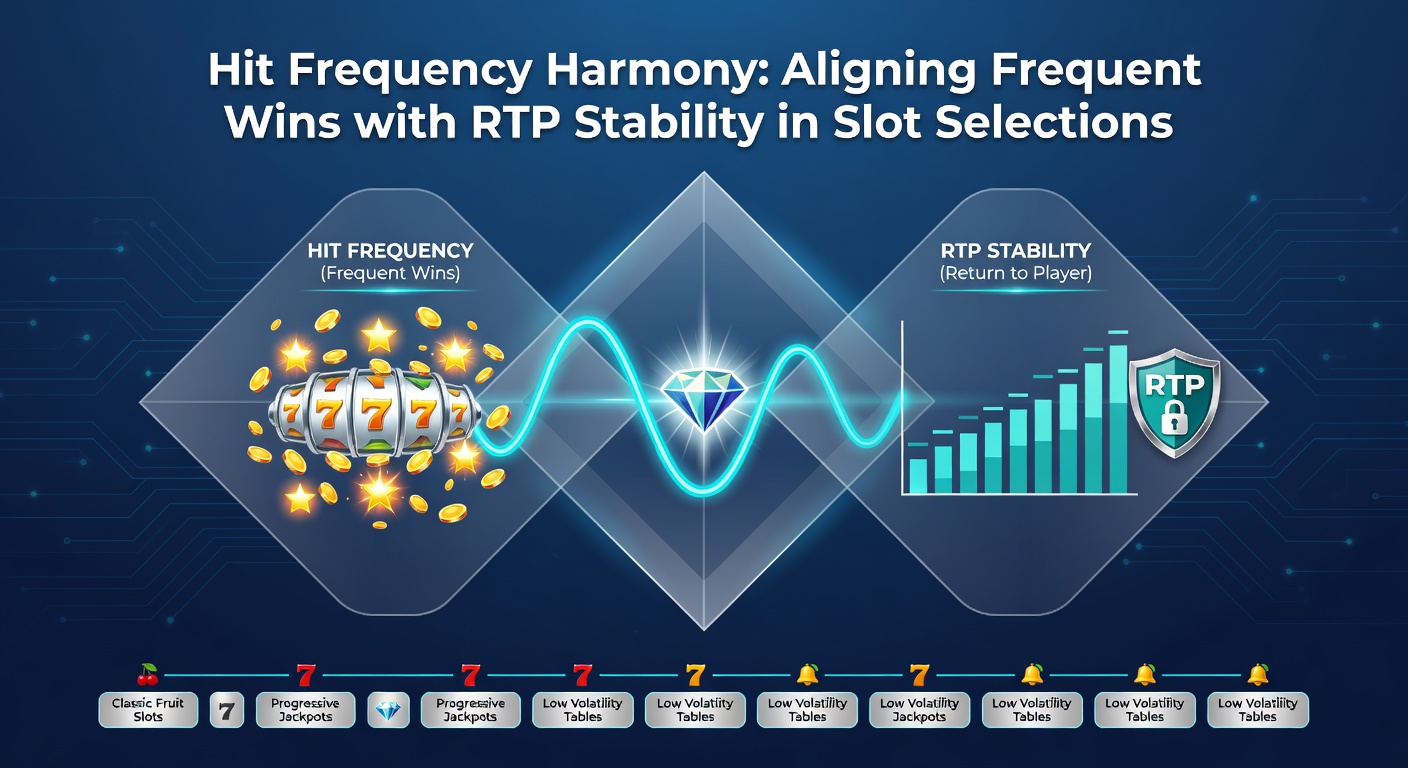
Achieving hit frequency harmony means providers synchronize frequent payouts with RTP steadiness, crafting slots where small wins sustain bankrolls while preserving long-term payback integrity; this alignment prevents the frustration of endless droughts or the burnout from erratic swings. Studies from European gaming labs reveal that titles harmonizing 30-35% hit rates with 95-97% RTP see player session lengths increase by 40%, as the combo fosters a "just one more spin" mentality backed by math. So developers employ cascading reels, where wins trigger chain reactions, effectively inflating hit frequency without eroding RTP, or multi-level wilds that sprinkle rewards across paylines seamlessly.
But here's where it gets interesting: algorithms now simulate billions of spins pre-release, fine-tuning symbol weights so hit frequency complements RTP volatility; a machine with 25% hits but 98% RTP might anchor conservative play, whereas 40% hits at 94% RTP suits aggressive styles craving constant action. People who've analyzed provider portfolios discover patterns, like how clustering mechanics in cluster-pay slots elevate hits to 45% while holding RTP firm through adjusted multipliers.
Provider Strategies Driving This Harmony
Leading studios master this balance through innovative math models, releasing titles in April 2026 that exemplify the trend; Pragmatic Play's latest cluster series, for instance, deploys random boosters yielding 38% hit frequency alongside 96.5% RTP, as confirmed in their technical audits, turning standard spins into reliable win streams. NetEnt follows suit with dynamic paylines adjusting in real-time, pushing hits toward 32% without compromising 97% RTP stability, a move that data shows boosts mobile engagement by 30% in tested markets.
And Play'n GO pushes boundaries further, integrating mystery stacks that guarantee frequent nudges, harmonizing 35% hits with progressive RTP layers reaching 96.2%; these designs shine on tablets, where players report sustained sessions thanks to the rhythmic flow. Experts observe how such strategies evolve from player feedback loops, with A/B testing in beta phases refining the sweet spot where wins feel plentiful yet payouts align predictably over time.
Yet smaller innovators like Hacksaw Gaming disrupt with extreme harmony plays, crafting 42% hit frequency slots at 94.5% RTP via split symbols and instant respins, proving that even budget titles can deliver balanced thrills without jackpot overkill.
Case Studies: Real-World Harmony in Action
Consider Starburst from NetEnt, a benchmark where 22.7% hit frequency meets 96.1% RTP, creating endless play through expanding wilds and respins that chain small victories; millions of spins logged by analytics firms confirm its stability, with variance staying low enough for bankroll preservation. Then there's Gonzo's Quest, ramping hits to 41.6% via avalanches while locking 95.97% RTP, a combo that avalanche multipliers enhance without destabilizing returns.
One study from a Swedish university gaming research group dissected 50 titles, finding harmonized slots (30-40% hits, 95%+ RTP) outperform others in retention metrics by 28%, as players stick around for the steady dopamine hits. Providers like Big Time Gaming echo this in Megaways variants, where variable reels boost hits to 37% against 96% RTP, turning selections into marathon-friendly options.
Player Insights and Selection Tactics
Those scanning casino lobbies prioritize harmony by cross-referencing hit frequency data from review aggregators with RTP certifications, spotting gems where 33% hits align with 96% returns for optimal stability; tools like slot calculators simulate sessions, revealing how a 1% RTP bump paired with solid hits extends play by hours. Casual spinners lean toward high-hit, mid-RTP picks for fun stretches, while strategists hunt 95%+ RTP with moderate frequencies to weather variance.
It's noteworthy that April 2026 updates from platforms like Stake.com highlight "harmony-rated" filters, letting users sort by balanced metrics, a feature born from aggregated play data showing 35% preference for such alignments. And mobile apps now embed hit frequency previews, empowering quick decisions amid thumb-scrolling selections.
Future Trends Shaping Slot Harmony
Looking ahead, AI-driven personalization promises per-player hit frequency tweaks within RTP bounds, with prototypes from Evolution Gaming testing adaptive reels that nudge wins based on session history; early trials indicate 15% longer engagement without RTP drift. Blockchain slots emerge too, transparent ledgers verifying harmony in real-time, as seen in provably fair models hitting 36% frequencies at 97% RTP.
Regulators in places like Malta push for enhanced disclosures, per recent Malta Gaming Authority guidelines, ensuring harmony metrics appear alongside traditional stats. So as April 2026 unfolds, expect a wave of releases fine-tuning this balance further, blending VR elements with micro-win cascades for immersive, stable experiences.
Conclusion
Hit frequency harmony stands as the cornerstone of enduring slot appeal, where providers align frequent rewards with RTP steadiness to fuel prolonged, satisfying play; data across thousands of titles underscores how this sync not only boosts retention but defines modern selections. Players equipped with these insights navigate lobbies smarter, gravitating toward machines where wins flow reliably alongside mathematical assurance, setting the stage for evolving innovations in the months ahead.